What Affects the Cost of Cabinet Installation?
The factors that actually drive cabinet installation labour cost, from cabinet count and design detail to site conditions and site readiness.
Updated September 17, 2026
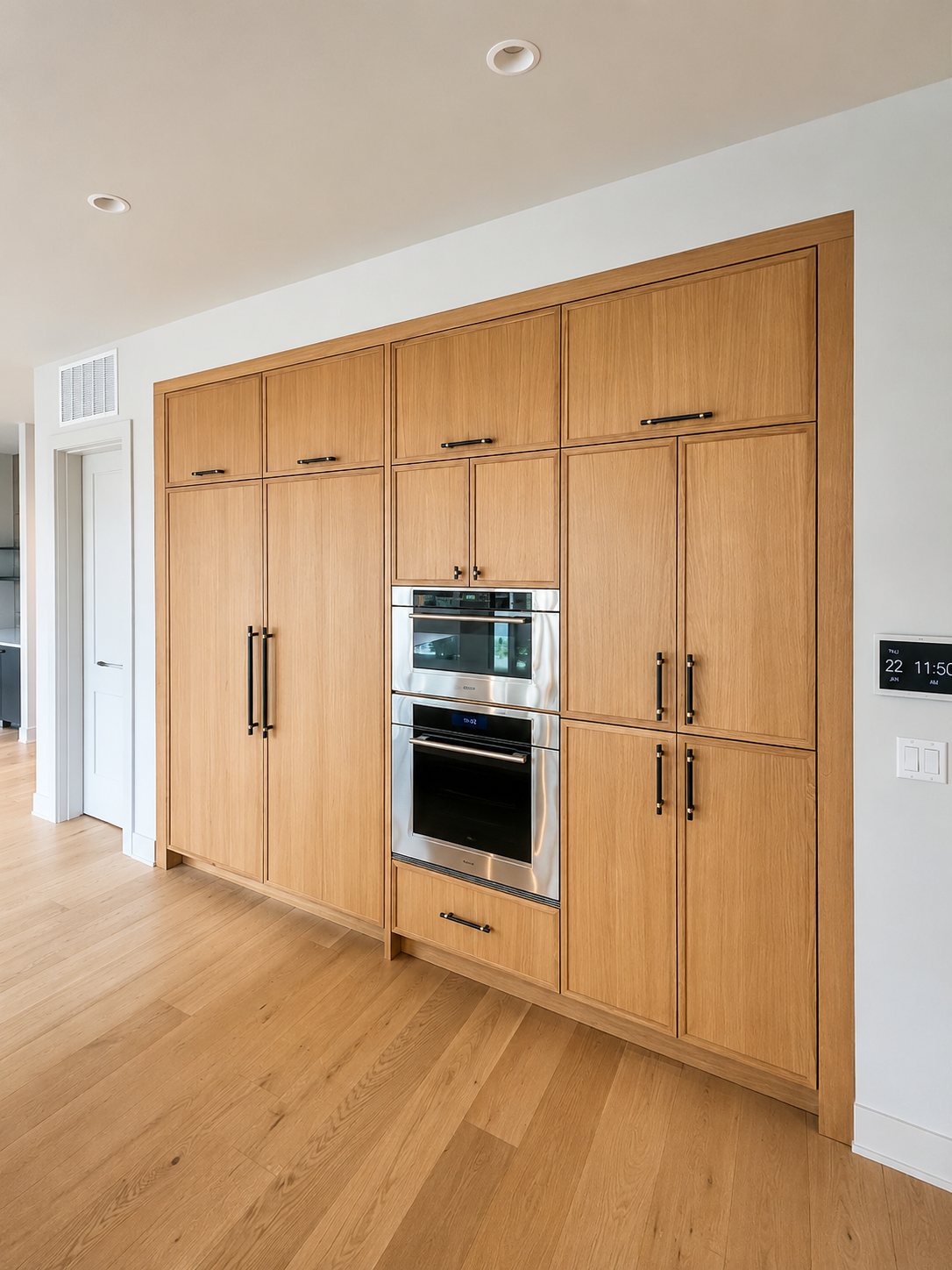
Cabinet installation cost is driven mainly by four things: how many cabinets there are, how much detail the design carries, how square and level the space is, and how ready the site is when the installer arrives. Two kitchens with identical cabinet budgets can have very different installation labour because of those factors.
This article explains what moves that number so you can compare quotes properly. It does not include INSET BUILD pricing; every project is quoted after we understand the scope.
1. Cabinet count and size
The clearest driver is simply the number of boxes and how hard they are to handle. Tall pantry units, oversized islands and ceiling-height uppers take more time and more hands than a short run of standard base cabinets.
2. Design detail
Detail is where labour quietly accumulates. Each of the following adds real installation time:
- Inset doors and drawers, which need much tighter tolerances than overlay
- Stacked upper cabinets and cabinetry that runs to the ceiling
- Panelled appliances and integrated refrigerator or dishwasher fronts
- Custom fillers, scribe pieces and end panels
- Crown, light rail, valances and applied moulding
- Floating shelves, hoods and built-in seating
Inset cabinetry in particular is unforgiving: a gap that would be invisible on an overlay door is obvious on inset work, so more time goes into shimming, scribing and adjusting.
3. Site conditions
Older homes are rarely level or plumb, and cabinets are built square. Bridging that difference is skilled work. Bowed walls, sloping floors, out-of-square corners and uneven ceilings all mean more shimming, scribing and filler work.
4. Site readiness and access
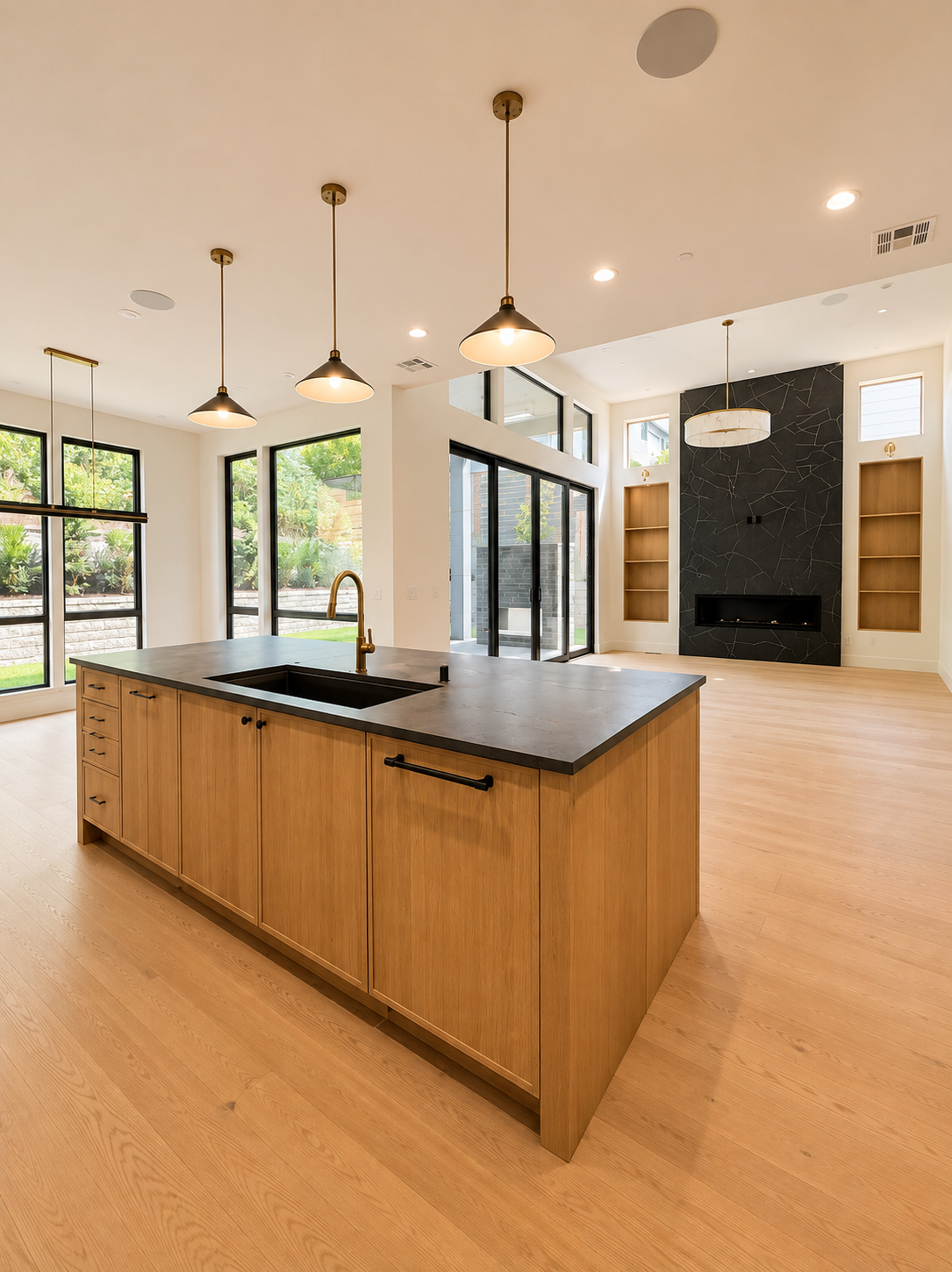
Anything that stops an installer from working costs money. Late deliveries, unfinished rough-in, missing appliance specifications, no on-site staging space, long carries, stairs, and elevator bookings in condo buildings all add hours.
General cost drivers at a glance
| Factor | Effect on installation labour | Why |
|---|---|---|
| Number of cabinets | Direct increase | More units to set, level and fasten |
| Inset doors and drawers | Significant increase | Tolerances are much tighter |
| Ceiling-height cabinetry | Moderate increase | Scribing and support at height |
| Panelled appliances | Moderate increase | Fitting and alignment of custom fronts |
| Out-of-level floors and walls | Moderate increase | Shimming and scribing |
| Poor site readiness | Variable increase | Idle time, return visits |
| Simple overlay kitchen, square room | Baseline | Straightforward layout and setting |
General factors only, offered for planning. Actual cost depends on your specific drawings, cabinets and site.
How to compare installation quotes fairly
- Check whether fillers, panels and moulding are included or excluded.
- Check who is responsible for receiving and inspecting the cabinets.
- Confirm whether hardware and adjustment are part of the scope.
- Confirm whether appliance panel fitting is included.
- Ask what happens if a cabinet arrives damaged or short.
- Make sure everyone is quoting the same drawings and the same revision.
A quote that looks lower is often just narrower. The most useful comparison is scope, not headline number.
INSET BUILD works as the installer and finish carpenter. If your project also involves trim, doors or millwork in the same rooms, combining that work usually removes duplicated setup and handoffs.
Common questions
- Is cabinet installation usually priced per cabinet or as a lump sum?
- Both are common in the industry. Per-cabinet pricing is simple for straightforward kitchens; detailed or custom work is more often quoted as a scope-based lump sum.
- Why does inset cabinetry cost more to install?
- Inset doors sit inside the frame, so the reveal around them shows every small variation. Achieving even gaps takes more shimming, scribing and adjustment time.
- Does an older home cost more?
- Often, yes. Floors, walls and ceilings that are out of level or plumb require more shimming and scribing to make square cabinets look right.
- Can we reduce installation cost?
- The most reliable savings come from being ready: cabinets delivered and inspected, rough-in complete, appliances specified, and the design locked before ordering.